



Finishes
Venetian plaster is more than a wall finish, it’s a timeless surface that brings depth, texture, and natural beauty into a space. Crafted from lime-based materials and applied by hand, each finish is completely unique, creating a refined aesthetic that cannot be replicated by paint or standard coatings.
At Venetian Plaster Gallery, we offer a curated range of finishes to suit both modern and classic interiors, from soft matte textures to high-gloss polished surfaces.

Marmorino
Marmorino Venetian plaster is a traditional Italian wall finish made from lime putty and finely crushed marble. It creates a smooth or subtly textured surface with a soft, stone-like appearance and natural depth. Known for its durability and breathability, it’s often used to achieve elegant, polished interiors or a matte, classic look reminiscent of historic Venetian architecture.
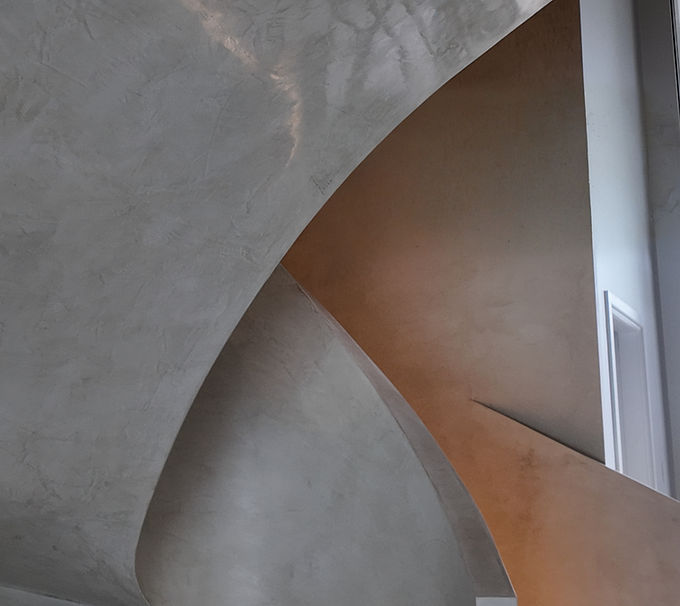
Grassello
Grassello Venetian plaster is a high-gloss, ultra-smooth lime-based finish made from aged lime putty and very fine marble dust. Grassello is polished to a mirror-like sheen, giving walls a deep, almost glassy appearance with subtle tonal variation. It’s prized for creating luxurious, marble-like surfaces and is often used in high-end interiors where a sleek, reflective finish is desired.

Italian Stamp
Italian stamp refers to a decorative technique where patterned tools or molds are pressed into fresh plaster to create textured designs that mimic materials like stone blocks, brick, travertine, or carved masonry. It adds depth and architectural character, giving walls an old-world, handcrafted Italian look. Finishes can be left matte or enhanced with waxes and glazes to highlight the raised patterns and create contrast.

Split-Stone
Split-stone (spaccato) finish is a Venetian plaster technique designed to replicate the rugged look of freshly broken natural stone. The plaster is applied and then manipulated often with trowels or specialized tools to create irregular, jagged textures with sharp edges and deep shadows. The result is a bold, highly tactile surface that mimics quarried or fractured rock, commonly used for feature walls or exteriors to add a raw, architectural feel.

Verona
Coral sponge stamp is a decorative Venetian plaster technique where a natural or synthetic sea sponge is pressed or dabbed onto wet plaster to create an organic, porous texture reminiscent of coral or weathered stone. The irregular pattern softens the surface and adds depth, and it’s often enhanced with tinted waxes or glazes to highlight the texture and give a more natural, aged finish.

Bamboo
Bamboo finish is a decorative Venetian plaster technique where a bamboo tool or rod is rolled or pressed into wet plaster to create linear, rhythmic grooves that resemble natural bamboo stalks or reed patterns. The effect adds a subtle, organic texture with a flowing, horizontal or vertical movement, often finished with washes or waxes to enhance depth and contrast for a calm, nature-inspired look.

Tuscano
Tuscano finish is a rustic Venetian plaster style inspired by traditional walls in the Tuscany countryside. It features a warm, matte appearance with soft movement, subtle texture, and natural color variation. Typically achieved using lime-based plasters like Marmorino, it’s lightly troweled and sometimes distressed to create an aged, sun-washed look that feels earthy, relaxed, and timeless.

Zen
Textured Zen finish uses irregular, organic trowel work to build a surface with pronounced ridges, waves, or layered movement almost like raked sand. The texture is intentional but still balanced, avoiding sharp or chaotic patterns. It’s often softened with matte finishes or muted tones so, despite the depth, it still feels calm and grounded rather than busy.

Undulation
Undulation finish is a Venetian plaster style defined by soft, wave-like movement across the surface. The plaster is applied and shaped with sweeping trowel strokes to create flowing ridges and shallow troughs, mimicking the gentle rise and fall of water or fabric.
Often finished in matte or low-sheen tones, it plays with light and shadow to give walls a sense of motion and depth while still feeling cohesive and elegant.

Intonachino Stamp
Intonachino is a traditional Italian lime-based plaster finish made from fine marble powders and natural lime binders. It sits between a smooth plaster and a light texture, producing a soft, velvety surface with subtle movement rather than a polished or heavily textured look. Intonachino is more understated often matte, breathable, and slightly rustic making it popular for achieving a natural, earthy wall finish inspired by historic architecture in Italy.

Concrete Finish
Concrete finish is a decorative lime plaster style designed to replicate the look of poured or precast concrete. It features a cool, industrial aesthetic with soft tonal variations, subtle trowel marks, and a smooth-to-lightly-textured surface that mimics raw cement. It’s commonly used in contemporary interiors to achieve an industrial, minimalist feel without using actual concrete.

Aged Concrete
Aged concrete finish is a decorative plaster style that mimics weathered, time-worn concrete surfaces. It features softened edges, mottled tonal variation, and irregular patina effects that suggest years of exposure, staining, and natural wear. The result is a raw, industrial look that feels more organic and lived-in, commonly used to add character and contrast in contemporary or rustic interiors.

Industrial Concrete
Industrial concrete finish is a Venetian plaster style designed to replicate the look of raw, poured concrete in modern industrial architecture. It typically features a cool grey palette, crisp trowel marks, and a slightly uneven, utilitarian surface that feels bold and architectural. Unlike softer or “aged” concrete effects, industrial concrete leans more uniform and controlled, often with sharper tonal contrasts and a denser, more solid appearance. It’s commonly used in contemporary interiors to create a minimalist, urban loft aesthetic with a strong structural feel.

Off-form Concrete
Off-form concrete finish refers to a surface that replicates the look of concrete cast directly in formwork, showing the natural imprint of the mould. In Venetian plaster, it’s achieved by layering and trowelling to mimic timber grain lines, panel joints, air pockets, and subtle imperfections. The result is a raw, architectural aesthetic with visible structure and texture less uniform than industrial concrete and more expressive. It’s often used to evoke brutalist or modernist design, where the beauty comes from the honesty of material and construction rather than refinement.

Microcement
Microcement is a thin-layer cement-based coating used to create seamless, modern surfaces on floors, walls, and furniture. It’s made from cement, resins, and fine aggregates, applied in very thin coats and hand-trowelled to achieve a continuous finish without joints or grout lines. It typically has a smooth, slightly mottled appearance similar to polished concrete, but can range from matte and raw to more refined and sealed finishes. Microcement is valued for its durability, water resistance (when sealed), and minimalist, industrial aesthetic, making it popular in contemporary interiors and bathrooms.

Mica Flakes
Mica flakes finish is a decorative plaster effect where fine mineral flakes (mica) are blended into Venetian plaster or a topcoat to create a subtle, shimmering surface. As light hits the wall, the flakes catch and reflect it, producing a soft sparkle or metallic sheen without looking glossy or artificial. The effect can be very understated or more pronounced depending on the amount of mica used, and it’s often applied over lime-based finishes to add depth, movement, and a slightly luxurious, stone-like glow.